What It’s Like To Live In Lakeway On The Lake
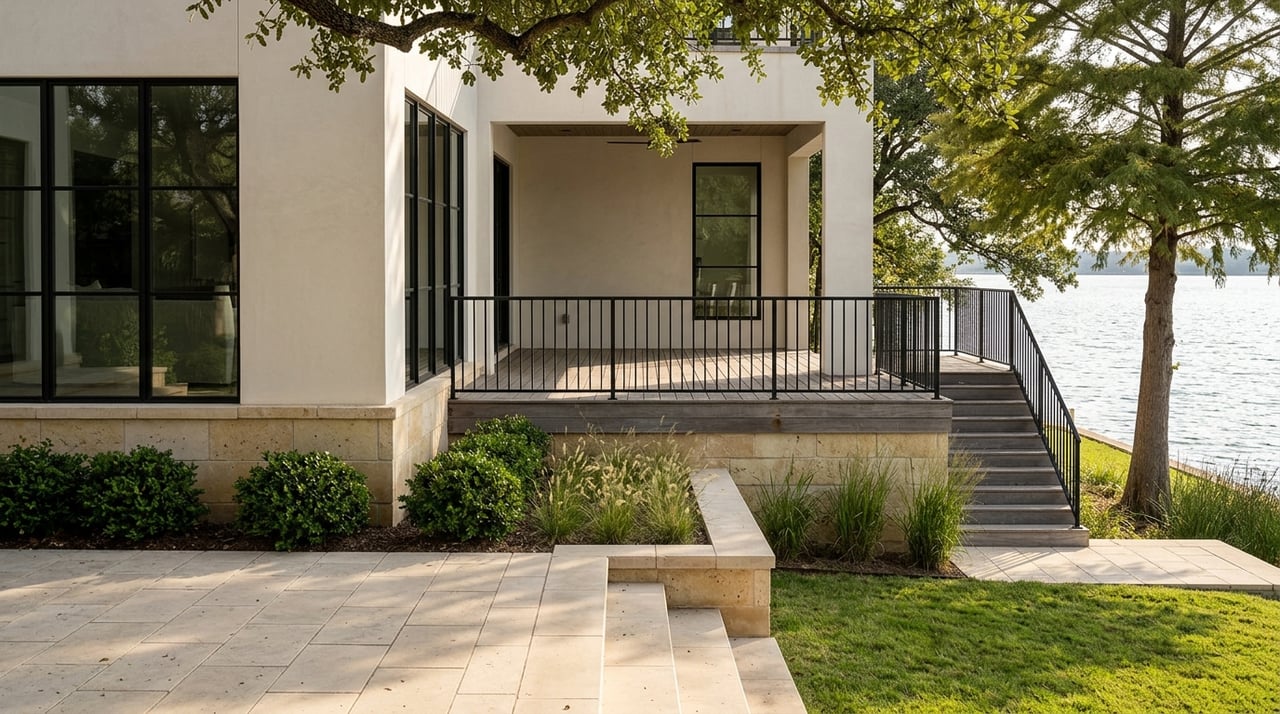
If you want lake views, outdoor recreation, and a more relaxed pace without feeling far from Austin, Lakeway tends to get your attention fast. It appeals to people who want more than a standard suburb, but still need everyday conveniences, public services, and a practical place to live. If you are wondering what daily life actually feels like here, this guide will walk you through the setting, housing, amenities, and rhythm of living in Lakeway on the lake. Let’s dive in.
Lakeway sits on the south shore of Lake Travis in the Texas Hill Country, about 25 miles west of downtown Austin. The city describes itself as a resort community, and that label fits more than you might expect. Instead of feeling like a typical master-planned suburb, Lakeway blends lake access, recreation, green space, and neighborhood services into one community.
That identity has deep roots. According to the city, Lakeway began as a retirement and second-home community, then grew into a place that now attracts families, empty-nesters, and young professionals who want a lake lifestyle close to Austin. Today, the city’s vision still centers on natural beauty, recreation, and small-town charm.
One of the biggest reasons people choose Lakeway is simple: you are surrounded by ways to get outside. The city has parkland, trails, golf, tennis, and close ties to Lake Travis itself. In Lakeway, recreation is not just a weekend activity. It often becomes part of your normal routine.
Living in Lakeway means Lake Travis is always part of the backdrop. City Park serves as the city’s central public waterfront park, and the city notes that its parks are free and open to the public. That gives you a clear public place to enjoy the lake setting, whether you want to walk, spend time outdoors, or simply take in the view.
Lakeway Marina is also a longstanding part of the local lake scene. Its official site notes that it has hosted families since the 1960s and continues to operate as a place to reserve boats on Lake Travis. For many residents, that helps turn the idea of lake living into something you can actually use and enjoy.
Lakeway’s greenbelt system is a major part of how the city feels day to day. The Hamilton Greenbelt network, including Smith Greenbelt and Hurst Creek Preserve, includes several miles of developed and primitive trails along Hurst and Yaupon creeks. The trail system also reaches toward the Hurst Creek arm of Lake Travis.
City Park adds nearly two more miles of walking, jogging, and hiking trails. That means outdoor time does not have to be a special outing. In many parts of Lakeway, it can feel like a regular part of your week.
In some neighborhoods, golf and tennis are extras. In Lakeway, they are part of the city’s long-standing identity. The city’s heritage materials note that Live Oak Golf Course was Lakeway’s first golf course, with nine holes opening in 1965 and 18 holes opening in 1967.
Public tennis is part of the mix too. The Live Oak Tennis Courts are public and located beside the driving range at 509 Lakeway Drive. If you want a community where recreation is woven into the setting, Lakeway clearly delivers on that front.
It is easy to focus on the lake and trails, but Lakeway also functions as a full-service city. That matters if you are thinking beyond a weekend-home vibe and trying to picture real everyday life. You are not just moving near the water. You are moving into a city with systems, services, and long-term planning.
The city says it provides police, courts, building and development services, parks and recreation, streets and drainage, and solid waste management. Lake Travis Fire Rescue handles fire suppression and EMS, while municipal utility districts provide water and wastewater service. The city also points residents to resources like the community library, hospitals, utility providers, and Lake Travis ISD.
That combination is a big part of Lakeway’s appeal. You get a setting that feels recreational and scenic, but it still supports the practical side of suburban living.
Lakeway does not revolve around one traditional downtown. Instead, the city’s planning approach treats neighborhood life as a network of smaller centers and larger community hubs. That creates a different experience from places built around a single main street core.
According to the city’s comprehensive plan, neighborhood centers are generally smaller areas that serve a single neighborhood with uses like convenience stores, salons, small businesses, dry cleaners, or elementary schools. Larger community centers can include grocery stores and sit-down restaurants.
For you, that means daily errands often happen close to residential areas, while bigger shopping and service needs tend to cluster along major roads like RM 620. It is a practical setup that supports day-to-day convenience without changing the city into a dense urban environment.
Lakeway’s City Center project is a good example of how the city is evolving. According to city updates, the project area is bordered by the police department, Lohmans Crossing Road, the back of H-E-B and The Oaks Shopping Center, and Lakeway Elementary School. Plans include Main Street, Lohmans Spur, parkland, retail, and residential units.
That matters because it shows Lakeway is still growing and refining how people live, shop, and move through the city. It is not a static resort enclave. It is an active suburb trying to preserve its character while adding more connected places for everyday life.
If you picture every home in Lakeway looking the same, that is not the most accurate way to think about it. The city’s current vision calls for a diverse housing stock that reflects Lakeway’s character and serves different ages, abilities, households, and income levels. That goal lines up with the city’s history and current development patterns.
Lakeway began with a resort and second-home pattern, and the city’s heritage materials note that its first condominiums were completed in 1971. More recent city coverage also references plans in Tuscan Village shifting from attached duplex and triplex layouts to detached single-family homes, with cottages part of the discussion as well.
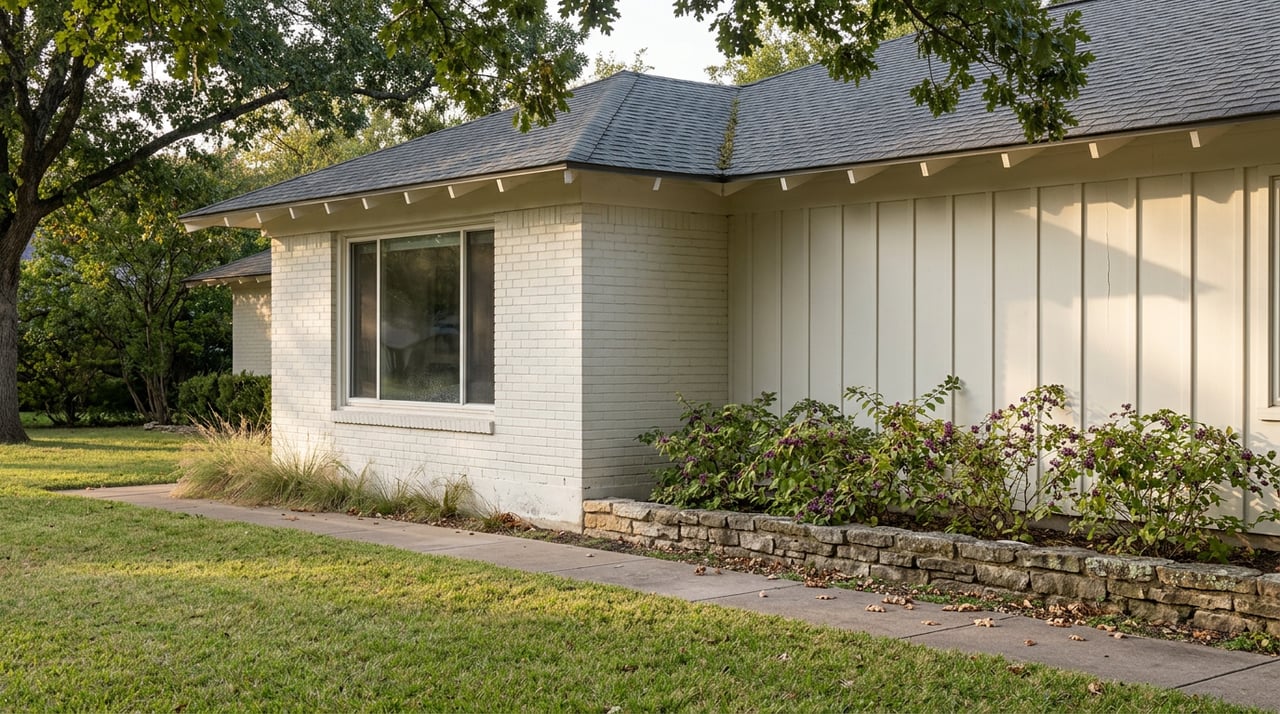
So while many buyers associate Lakeway with larger detached homes, the city includes multiple housing forms. Depending on your goals, you may find everything from condos and patio-home style living to detached homes with more land, views, or recreational adjacency.
Census QuickFacts show that Lakeway has an 86.3 percent owner-occupied housing rate. The same source reports a median owner-occupied home value of $841,300 in the 2020 to 2024 ACS period. That does not define every property or every section of the city, but it does point to a market with a strong owner-occupant base and relatively high home values.
For buyers, that can signal a community where many residents are putting down roots rather than cycling in and out quickly. For sellers, it helps explain why Lakeway often appeals to buyers looking for long-term lifestyle value, not just square footage.
The city does not publish a formal lot-type taxonomy, but its geography and history make a few patterns easy to understand. Because Lakeway emphasizes Lake Travis, Live Oak Golf Course, and a broad greenbelt and canyon network, the area plausibly includes lake-adjacent, golf-adjacent, hillside, and greenbelt-oriented homesites.
That variety can make home searches here more nuanced than they first appear. Two homes with similar size may offer very different experiences depending on terrain, privacy, views, and access to recreation.
One of the best ways to describe life in Lakeway is that it feels scenic without feeling isolated. You get natural beauty, outdoor options, and a resort-style setting, but you are also living in a growing suburb with shopping corridors, development projects, and transportation planning underway. That mix creates a lifestyle that is calmer than central Austin, but not disconnected from the region’s growth.
The city is actively managing that balance. Its planning work includes a comprehensive plan approved in March 2026, along with ongoing attention to the RM 620 corridor and related transportation impacts. So if you live here, you are not stepping into a frozen-in-time lake community. You are joining a place that is still adapting while trying to protect the qualities people move there for.
Lakeway can make sense for several types of buyers and movers, especially if you value lifestyle as much as logistics. It may be a strong fit if you are looking for:
At the same time, Lakeway is not just about image. It helps to think carefully about what kind of lot, housing type, and access pattern fits your routine best. In a place with hills, greenbelts, lake influence, and multiple neighborhood nodes, the right micro-location can shape your experience just as much as the city itself.
At its core, living in Lakeway feels like choosing a lake-focused suburb where recreation and practicality meet. You can spend time on trails, near the water, or around golf and tennis amenities, then still handle groceries, errands, and daily routines close to home. That is a big part of why Lakeway stands out in the Austin area.
If you are drawn to scenic surroundings but still want the structure of a functioning suburban community, Lakeway offers a compelling middle ground. And if you want help figuring out which part of Lakeway best fits your goals, lifestyle, and budget, Volt Realty can help you make a smart move with clear local guidance.
Stay up to date on the latest real estate trends.

You’ve got questions and we can’t wait to answer them.