Belterra's Saturday Feels Effortless. That's Because Someone's Job Is to Make It That Way.
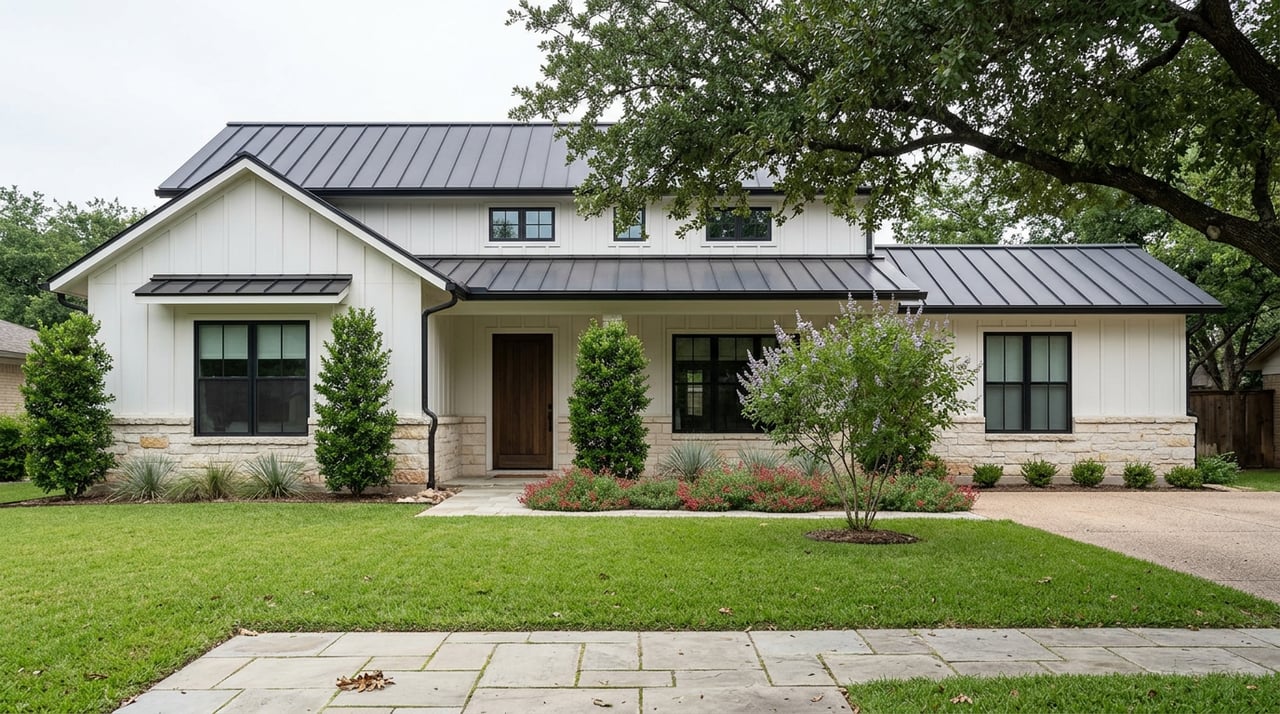
Walk the loop on a Saturday morning and it feels like it just happens. You cut through the Retreat at San Saba, past the splash pad where a couple of kids are already soaked, past the pavilion where a stroller group has claimed the shade, and onto the trail that eventually spits you out near Belterra Village. Coffee at Summer Moon. A stop at Hat Creek's patio while the kids hit the playground. Maybe a lap through Adorn Boutique or Pineapple Home before lunch at Pieous or a plate of Thai food from Spoon + Fork. By early afternoon you've covered a few miles, spent some money, and run into three people you know. It has the rhythm of a small town's Saturday.
None of it is run by a small town.
The park you jogged through isn't a city park. The movie night on the Village calendar next month wasn't put there by a parks and recreation department. The reason Belterra's version of a town square works as smoothly as it does is that almost every piece of it was built, and is still run, by a private entity with a budget and a job description, not a municipal government with a tax base. That distinction sounds bureaucratic until you notice what it actually changes about your weekend.
The Retreat at San Saba is an 8.71-acre park with fitness loops, a pavilion, a splash pad, and an event lawn used for community programming throughout the year. It reads like any other neighborhood green space. It is not maintained by the City of Austin or Hays County. It's built and kept up through Belterra's homeowners association, the same structure that funds the roughly 17 miles of hike-and-bike trail threaded through 400 acres of open parkland across the broader community.
That means the splash pad's hours, the pavilion's upkeep, and whether the event lawn hosts a concert series next spring are decisions made inside an HOA budget cycle, not a city council agenda. That arrangement also places upkeep decisions within the HOA budget and board process.
The same private-not-public pattern shows up in the horse pastures around the community too. If you've ever assumed that land was open for anyone to ride through, it isn't. Bel Canto Farms is a private boarding and lesson operation offering stall board and semi-private riding lessons. The equestrian feel you get driving past those fields is a business, not a public trailhead.
Belterra Village is a 93-acre mixed-use development with more than 200,000 square feet of restaurants, retail, medical offices, a hotel, and a theater, all built around Highway 290 at the edge of the neighborhood. Belterra Village employs an on-site event director to organize activities for people who live nearby. The calendar includes outdoor movie nights, seasonal pop-up markets, and holiday events.
Here's the same logic laid out plainly:
| What feels like public infrastructure | Who's actually running it |
|---|---|
| The splash pad and event lawn at the Retreat at San Saba | Belterra's homeowners association |
| The hike-and-bike network threading the community | A community-maintained trail system, not a city parks department |
| Movie nights and seasonal markets at Belterra Village | An on-site event director employed by the Village's ownership |
| Horseback riding and lessons around the community | Bel Canto Farms, a private boarding and lesson operation |
None of that is a criticism. It's a snapshot of how these amenities and businesses are organized, and why it's worth knowing whose decision it actually is when something changes.
As CultureMap Austin reported, in early 2024, Mighty Fine Burgers closed its location at 165 Hargraves Drive. The space was filled that same year by Cousin Louie's, an Italian American restaurant backed by the same hospitality group, Tc4 & Co., that already operates The League Kitchen & Tavern elsewhere in the Village.
As Austinot reported, Pieous started in Southwest Austin and relocated into Belterra Village specifically because it needed more room to serve larger groups.
Put it together and the picture is consistent. The Retreat at San Saba is maintained through the HOA, and Belterra Village has an event director who organizes activities. The space left by Mighty Fine was filled by Cousin Louie's that same year, and Pieous relocated to the Village for more room. These examples show how local amenities and businesses are part of Belterra's daily routine.
Knowing which organizations maintain the park, trails, and Village programming helps explain how these amenities are managed.
Next Saturday, the loop will probably feel exactly the same. Coffee, trail, splash pad, lunch, a stop in a boutique on the way home. Now you know more about how the places you visit are maintained and programmed.
If you're curious how Belterra's private-infrastructure model compares to the way other Austin-area communities handle parks, trails, and retail, or what it might mean down the road for HOA dues and long-term upkeep, Volt Realty is always happy to talk through it. Let's Talk.
Stay up to date on the latest real estate trends.
You’ve got questions and we can’t wait to answer them.