Belterra Neighborhood Guide For Austin Home Shoppers
Wondering if Belterra gives you the space and lifestyle you want without feeling too far removed from Austin? That is a common question for buyers looking in the southwest Austin area, especially if you want a larger home, neighborhood amenities, and a more suburban Hill Country setting. Belterra stands out for exactly those reasons, but it also comes with a car-based commute, HOA structure, and a distinct identity that is different from living in Austin proper. This guide will help you understand what daily life, housing, and location really look like in Belterra so you can decide if it fits your goals. Let’s dive in.
Belterra is a planned community in Hays County with an Austin mailing address in 78737. It sits near Highway 290 and Nutty Brown Road, about 16.3 miles from Downtown Austin, placing it in the southwest Austin and Dripping Springs orbit rather than in central Austin.
That location matters because Belterra feels more Hill Country-suburban than urban. If you are picturing a neighborhood with more land, larger homes, and a residential rhythm built around driving, Belterra fits that picture better than an in-town Austin neighborhood.
Belterra is not just a collection of homes. It is a master-planned community designed around amenities, outdoor spaces, and organized neighborhood life. Local community materials describe it as the largest master-planned community serving the area, and it was recognized as a 2015 Master Planned Community of the Year.
For many buyers, the appeal is the balance. You get a neighborhood with a strong residential feel, a planned amenity network, and access to southwest Austin and Dripping Springs. At the same time, you should expect a more suburban daily routine than you would find in denser parts of Austin.
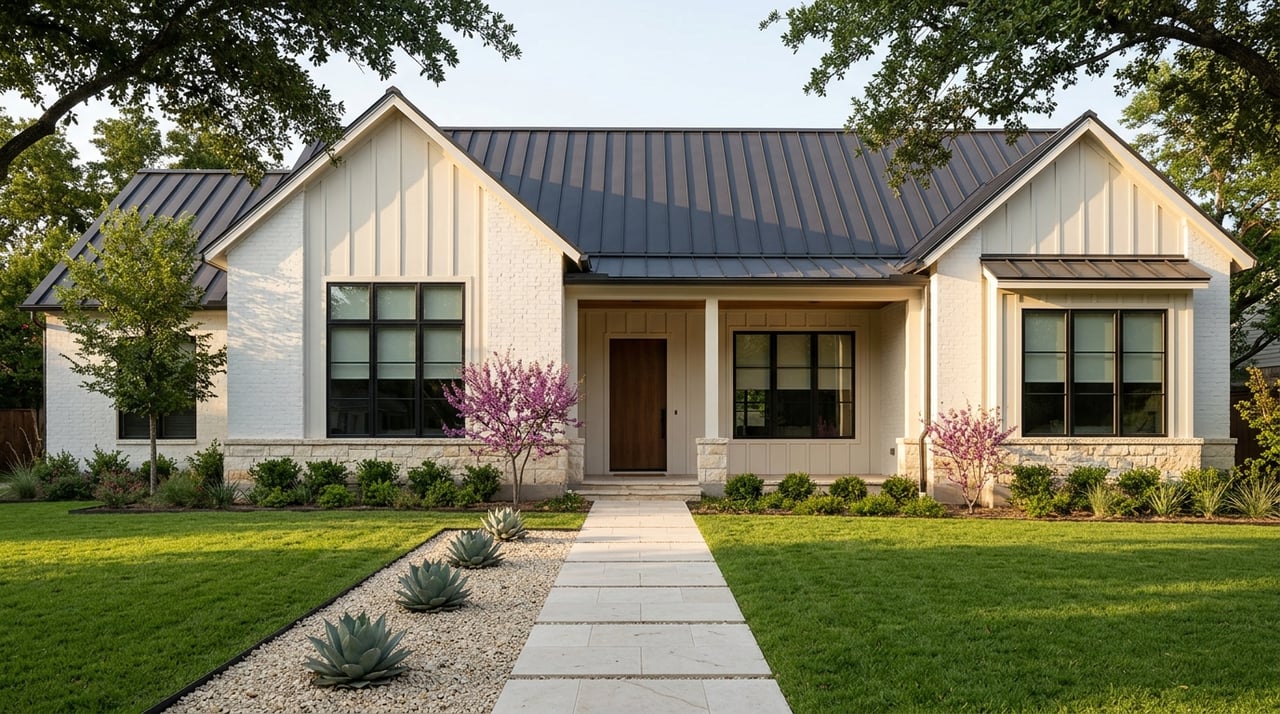
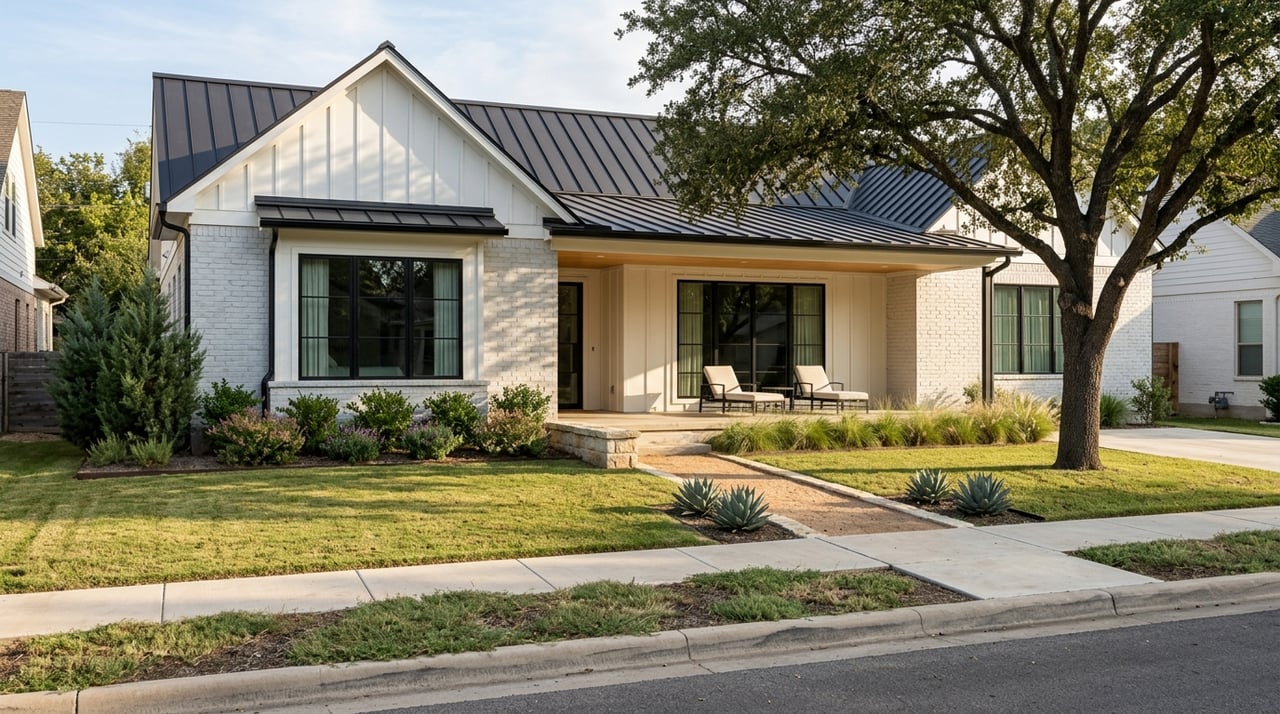
Belterra is primarily a detached single-family home community. This is not an urban condo district or a townhome-heavy area. The housing profile points to larger homes with more yard space and more garage capacity than many central Austin options.
Historical builder materials and current builder brochures show the kind of product Belterra is known for. Examples include one-story homes around 2,500 to 3,300 square feet on 70-foot homesites, along with estate-style layouts offering 4 bedrooms, 3.5 baths, and 3-car garages.
If you are moving up from a smaller home, relocating from another city, or simply want more breathing room, Belterra may check a lot of boxes. The neighborhood tends to appeal to buyers who want practical space for everyday life, storage, vehicles, and outdoor use.
If your top priority is a compact home, a lock-and-leave urban setup, or a lower-maintenance condo lifestyle, Belterra may feel too suburban. The housing here generally leans toward larger detached homes rather than dense, walkable housing types.
Belterra has a conventional HOA structure, which is important to understand before you buy. The community has governing documents that include CC&Rs, bylaws, and design guidelines.
In practical terms, permanent exterior changes usually require architectural review approval. That can include projects like roof replacement, repainting, landscaping redesign, pools, and decks.
The current Belterra Community Association assessment is listed at $144 quarterly, and some sub-areas may have additional monthly assessments. If you like clear neighborhood standards and a more managed appearance, that may feel like a benefit. If you prefer maximum flexibility with exterior changes, it is something to review carefully during your home search.
One of Belterra’s strongest selling points is its amenity network. The Rec Center is a central hub and includes a gym, gathering space, playscape, and basketball court.
The community also features a swim complex with a resort-style pool, a kiddie pool, and a lap pool. These amenities help create a neighborhood lifestyle that goes beyond the house itself.
Belterra puts a major emphasis on outdoor living. The Retreat at San Saba is an 8.71-acre common-area park with a pavilion, splash pad, and fitness loops.
In addition, the neighborhood includes a dozen parks and a network of trails maintained by WCID districts. These trails crisscross the community and highlight the Hill Country setting, giving buyers a strong sense of open-air recreation woven into everyday life.
Belterra also has a year-round social layer through HOA communications and a lifestyle director. Official community communications and the HOA calendar promote resident events, club meetings, and pool-area gatherings.
That means Belterra often feels more like a managed neighborhood ecosystem than a basic subdivision. If you value a neighborhood with built-in activity and regular programming, that can be a meaningful part of the appeal.
A big advantage for Belterra buyers is the nearby commercial layer. Belterra Village is a 93-acre mixed-use development at Highway 290 and Nutty Brown Road with retail, medical, hotel, senior-housing, and lock-and-leave components.
It also includes more than 10 acres of hike-and-bike trails. For you as a buyer, that means Belterra can feel more self-contained than many suburban communities that depend entirely on distant shopping corridors for everyday errands and services.
For buyers who want school context, Belterra is served by Dripping Springs ISD. Rooster Springs Elementary is located in Belterra and serves grades PK through 5.
According to district attendance information, Rooster Springs Elementary feeds into Sycamore Springs Middle School, and Dripping Springs High School is the high school campus. District accountability information lists Rooster Springs Elementary and Sycamore Springs Middle School with A ratings, while Dripping Springs High School has a B rating.
As always, attendance boundaries and enrollment details can change, so it is smart to confirm current information directly during your home search.
Belterra’s commute pattern is tied closely to US 290. That means most buyers here are choosing a car-based lifestyle rather than a walk-to-everything routine.
This is one of the most important parts of the decision. If you want a neighborhood where daily life revolves around driving to work, shopping, dining, and activities, Belterra may feel very workable. If your goal is short, car-free errands and dense urban convenience, it may not be the right fit.
TxDOT is studying and proposing improvements along the US 290 corridor between RM 1826 in southwest Austin and RM 12 in Dripping Springs. The proposal would reconstruct and widen about 13 miles of roadway into a six-lane divided facility with frontage roads and shared-use paths.
For buyers, this reinforces two things. First, Belterra’s access is linked to a major commuter corridor that can experience congestion. Second, mobility patterns in the area may continue to evolve over time as roadway changes move forward.
Belterra tends to fit buyers who want a specific lifestyle mix. It often makes sense for households looking for larger detached homes, neighborhood amenities, trails, and a suburban Hill Country setting with access to southwest Austin.
It can also be a strong option if you are relocating and want a neighborhood that feels established, organized, and amenity-rich. Buyers who are comfortable with HOA oversight and a more car-oriented routine are often better aligned with what Belterra offers.
Belterra is not the perfect match for every home shopper. If your top priorities are dense urban walkability, a bungalow close to central Austin, or a condo lifestyle with quick access to car-free errands, the neighborhood may feel too spread out and too auto-dependent.
That does not make Belterra better or worse than other Austin-area neighborhoods. It simply means the fit depends on how you want to live day to day.
Before you move forward, it helps to think beyond curb appeal and square footage. A neighborhood like Belterra is as much about lifestyle structure as it is about the home itself.
Ask yourself:
If most of those answers are yes, Belterra may deserve a close look.
Belterra can look straightforward at first glance, but the right decision often comes down to details. Home size, lot position, HOA considerations, commute timing, and how close you want to be to amenities can all shape whether a specific property feels like a great fit.
That is where local guidance can save you time and help you make a smarter move. A neighborhood guide is a strong starting point, but seeing how Belterra compares with other southwest Austin and Dripping Springs area options is often what gives buyers real clarity.
If you are exploring Belterra and want practical guidance on homes, commute tradeoffs, and how this neighborhood stacks up against other southwest Austin options, Volt Realty is here to help.
Stay up to date on the latest real estate trends.
You’ve got questions and we can’t wait to answer them.