Everyday Life In West Lake Hills
If you want a place that feels tucked away without feeling far away, West Lake Hills stands out fast. Many buyers are looking for a balance of privacy, natural scenery, and quick access to Austin, and that mix can be hard to find. In West Lake Hills, everyday life tends to center on wooded surroundings, short drives, and a quieter residential pace. Let’s take a closer look at what living here really feels like.
West Lake Hills is a compact suburban city in Travis County, about six miles west of downtown Austin. City materials describe it as roughly four square miles, with around 1,000 homes and 200 businesses. That small footprint helps shape the area’s day-to-day feel.
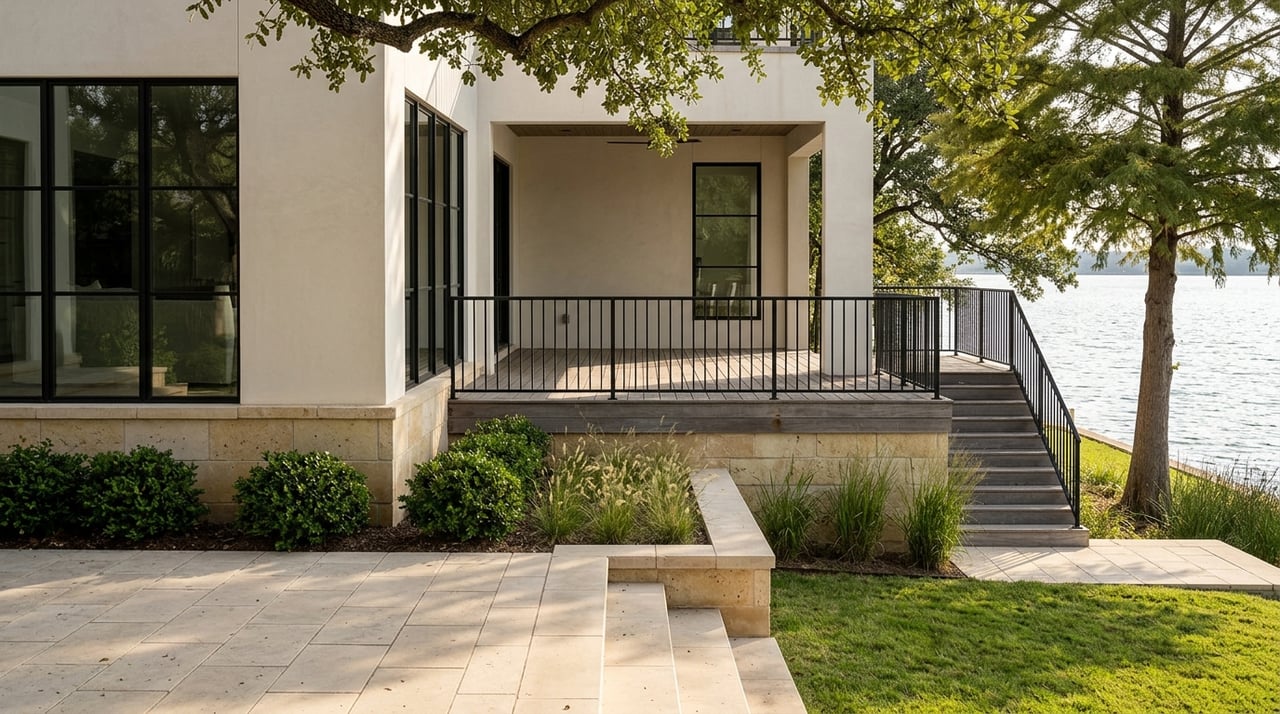
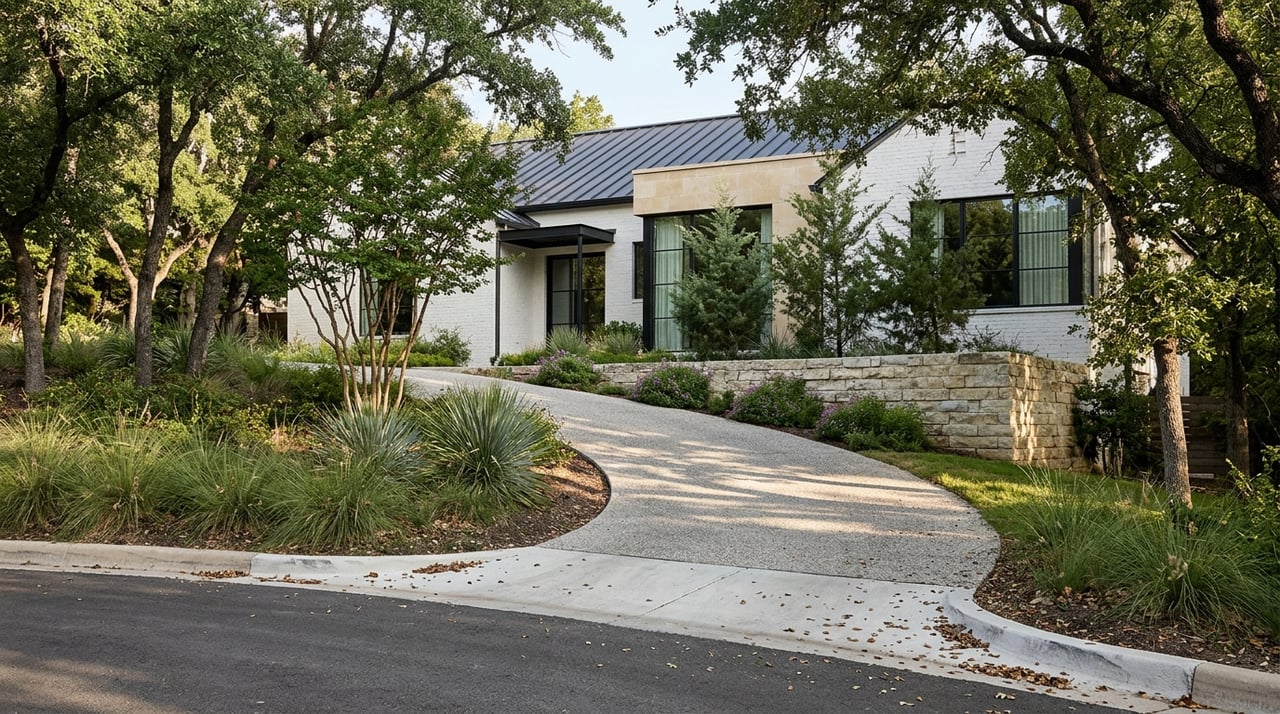
The setting is a big part of the appeal. West Lake Hills sits on the west bank of Lake Austin and along the eastern edge of the Balcones Escarpment. The city’s landscape is known for steep terrain, wooded lots, and a strong emphasis on preserving vegetation and natural character.
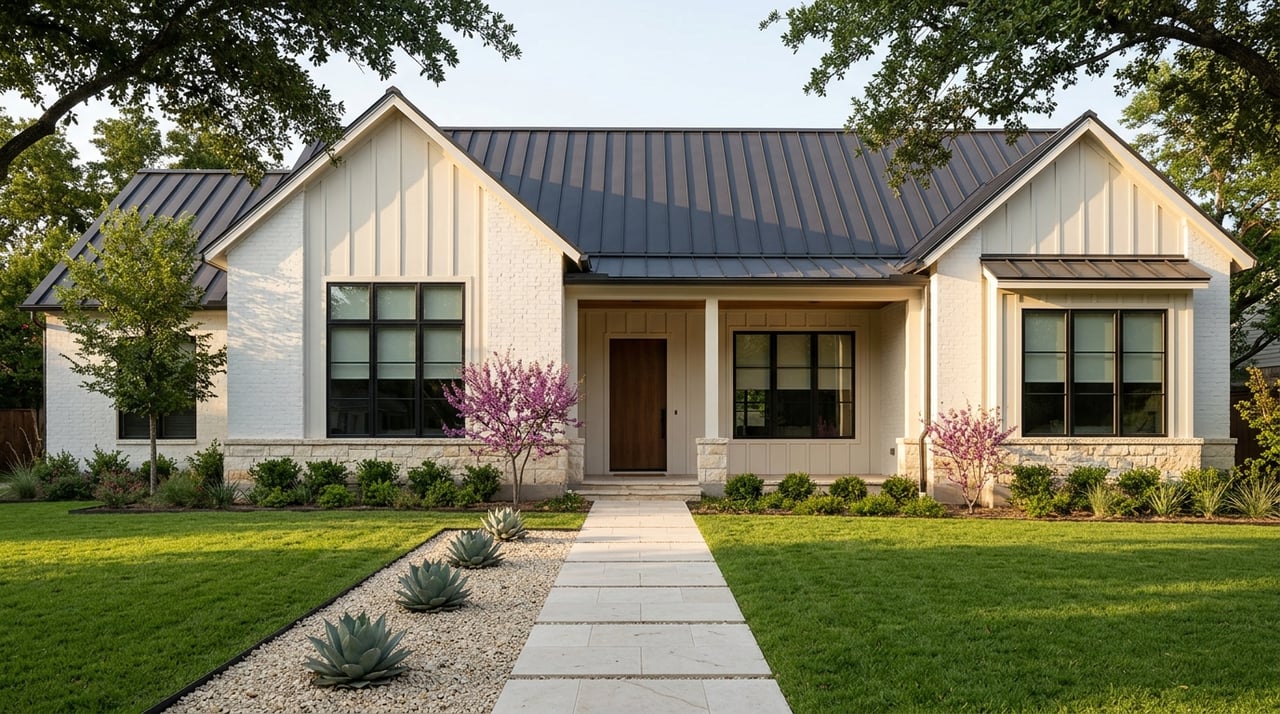
Daily life in West Lake Hills tends to feel calm and residential rather than busy or urban. The city’s planning documents describe neighborhoods with single-family detached homes on secluded, heavily wooded lots. That layout creates a sense of privacy that many buyers specifically want.
Because of that development pattern, you are less likely to find dense blocks of shops or a highly walkable main street atmosphere. Instead, the area feels more tucked in and spread out. For many residents, that trade-off is exactly the point.
West Lake Hills has 3,285 residents, according to Census Reporter, with a median age of 50.2. The area also shows signs of long-term stability, including 1,192 households and only 7.3% of residents having moved in the prior year. That can matter if you are looking for a place with a more established feel.
The data also points to a highly educated population. Census Reporter shows a 99.6% high school graduation rate and 80.6% of residents holding a bachelor’s degree or higher. Median household income is reported at $198,125, and the median owner-occupied home value is about $1.66 million.
These numbers help explain the local housing profile. West Lake Hills is not a high-turnover market, and it is not known for large amounts of renter-heavy inventory. Instead, it tends to attract buyers looking for long-term ownership, space, and a distinctive setting close to Austin.
One of the most important things to know about everyday life in West Lake Hills is that it is car-oriented. The city’s master plan notes that the steep and rocky terrain led to winding, narrow roads and made mass transit less practical. That means most residents rely heavily on personal vehicles for commuting, errands, and activities.
The main roads you will hear about most often are Bee Cave Road, Westbank Drive, Westlake Drive, and Redbud Trail. These thoroughfares shape how people move through the area and connect to nearby parts of Austin. If you are relocating from a denser city, this is one of the biggest lifestyle differences to understand upfront.
That said, convenience is still a major part of the appeal. Census data shows a mean commute time of 16.6 minutes, and city materials place West Lake Hills about 20 minutes from Austin-Bergstrom International Airport. For many residents, that combination of privacy and accessibility is a big win.
West Lake Hills has the basics you need for day-to-day living, but they are grouped into smaller commercial pockets instead of one large retail district. City materials highlight destinations like the Village at Westlake Shopping Center and several named commercial nodes, including Westbank Market, Five Star Center, The Hills Medical, and Westlake Medical.
In practical terms, that means errands usually happen by hopping between neighborhood centers. You may drive to pick up groceries, head to an appointment, or stop by a local service provider, then head home rather than spend an afternoon walking a central shopping corridor. The lifestyle is convenient, but it is not built around dense urban retail.
For many buyers, that setup feels efficient and low-stress. You get access to nearby essentials while still living in an area that feels primarily residential. It is a different rhythm from central Austin, and often a more relaxed one.
Even though West Lake Hills is small, it has several civic and community spaces that help shape local routines. City materials mention the Westlake Athletic & Community Center, the Westlake Community Performing Arts Center, the Eanes History Center, and the Westbank Community Library District, including the Westbank and Laura Bush libraries.
These places add structure to everyday life beyond home and work. They create opportunities for recreation, performances, library visits, and community connection without requiring a long drive. In a city this size, those shared spaces can play an outsized role in how residents spend their time.
Seasonal events also contribute to the local feel. City materials point to gatherings such as the Fourth of July Celebration and Westlake Wonderfest. Events like these help create a sense of rhythm throughout the year.
For households with school-related schedules, Eanes ISD is a major part of daily life in West Lake Hills. The district serves the community and lists 5 elementary schools, 2 middle schools, 1 high school, and 7,532 students. The district also notes that school zoning is determined by street address.
That address-based zoning matters when you are comparing homes. If school assignment is part of your decision-making process, it is important to verify the specific property address during your home search. Small location differences can affect day-to-day logistics.
Eanes ISD also states that EanesCare provides early education and after-school care for the community. For many households, access to those kinds of support systems can shape work schedules, transportation plans, and after-school routines.
West Lake Hills tends to offer a slower and more private day-to-day experience than many parts of Austin. You are close to downtown, but the area itself is shaped more by hills, trees, and residential streets than by nightlife or dense commercial activity. That gives the city a very specific personality.
The pace here often appeals to buyers who want room to breathe. You may spend more time driving than walking, but in return you get wooded surroundings, fewer signs of congestion, and a strong sense of separation from the city’s busier core. For the right buyer, that trade-off feels worth it.
It is also worth noting that infrastructure is part of everyday life in a hill-country setting. The city’s summer 2026 street-maintenance project covers 31 streets, which is a reminder that road conditions and access routes are practical considerations here. In West Lake Hills, the landscape is beautiful, but it also shapes how the city functions.
West Lake Hills can be a strong fit if you want a residential setting with quick access to Austin. It may especially appeal to buyers who value privacy, mature surroundings, and a more established housing environment. If you are relocating, it can offer a very different feel from denser urban neighborhoods.
It may also suit move-up buyers and long-term homeowners who are looking for space and a distinct sense of place. The area’s compact size, wooded lots, and relatively stable housing profile create a lifestyle that feels intentional. You are not just buying a home here. You are choosing a daily rhythm.
If your ideal neighborhood includes a highly walkable retail core or heavy use of transit, West Lake Hills may feel less aligned with your priorities. But if you want natural beauty, a quieter setting, and convenient access to Austin, it checks a lot of boxes.
If you are considering West Lake Hills, it helps to think beyond the home itself and focus on how you want your week to feel. A neighborhood can look great on paper, but the real test is whether its pace, road network, and layout support your daily routine. That is especially true in a place with a distinct physical setting like this one.
A few practical questions can help narrow your decision:
When you answer those questions honestly, West Lake Hills becomes easier to evaluate. The area offers a very specific lifestyle, and that clarity can be helpful when you are comparing it with other Austin-area neighborhoods.
If you are exploring West Lake Hills or comparing it with nearby areas, working with a local team can help you weigh not just price and inventory, but the everyday fit. Volt Realty helps buyers, sellers, and relocating clients navigate Central Texas with clear advice, strong local knowledge, and a practical strategy for the life you want to build.
Stay up to date on the latest real estate trends.
You’ve got questions and we can’t wait to answer them.